


No Chemicals, No Compromises: Steam as a Philosophy of Cleanliness
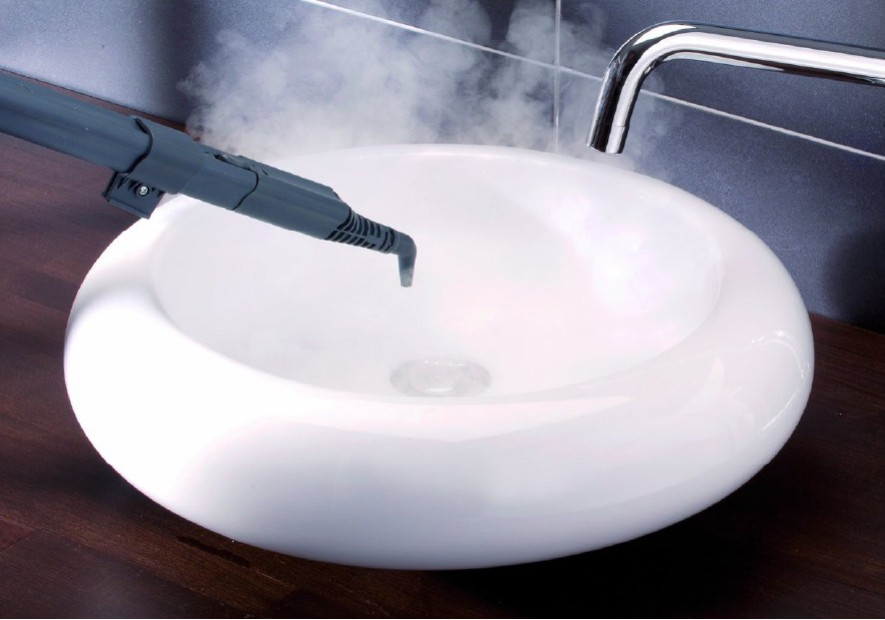
We tend to think of cleaning as a physical action. But introduce steam — and the world around you becomes cleaner in ways your eyes can’t even perceive. Your body will feel it.
What Makes Steam So Special?
Water boils at 100 °C. Once it becomes steam, it holds immense energy: microscopic steam particles penetrate the tiniest pores, cracks, and crevices — places where neither brush nor cloth can reach. But it’s not just about heat. Steam carries with it physics, microbiology, and a silent revolution in hygiene.
Wet cleaning removes what we can see. Steam destroys what we cannot. No aggressive chemicals, no artificial scents, no residues.
The Micro-World Inside Your Home
Every home is a living microsystem: carpets, grout, upholstery, tiles, ventilation shafts, surfaces. And inside them dwell:
- Dust mites (in sofas, mattresses, curtains)
- Mold spores (in damp corners, tile joints)
- Bacteria and viruses (on floors, doorknobs, light switches)
- Grease and build-up (especially in kitchens and bathrooms)
They may be invisible, but they affect your sleep, breathing, allergies, and immunity. That’s where steam becomes a game-changer.
How Steam Cleaning Actually Works
The technology is simple: water is heated to a boil, and pressure forces steam out through a nozzle or attachment. The result:
- steam temperature up to 140 °C
- pressure of 3 to 6 bars
- deep disinfection of surfaces and materials
- steam penetrates deep into fibers and between structural layers
- no chemical traces, no fumes, no irritation
This isn’t just a visual effect — it’s a biological transformation. Steam disrupts cell walls of microbes, neutralizing them on a molecular level.
Where Steam Works Best
-
Bathrooms – tile grout, shower doors, faucets, drains. The ideal habitat for mold — and steam wipes it out.
-
Kitchens – stoves, hoods, filters, greasy corners. Where chemical cleaners leave smells, steam leaves nothing.
-
Upholstery and textiles – sofas, mattresses, car seats. No soaking, no detergents.
-
Toys, remotes, doorknobs – the objects we touch but rarely clean.
-
Floors – especially in homes with children or pets. Steam kills bacteria without any chemical residues.
Even mirrors and windows can be cleaned with steam — streak-free, scent-free, effortlessly.
Steam and Allergies: Clean Without Risk
Many households are turning away from harsh chemical cleaners — particularly where allergies, asthma, or sensitive skin are concerns. Steam offers a way to sanitize without introducing anything foreign. No fumes, no residues, no allergens.
Cleaning with steam is not just about hygiene — it’s about health. A breathable, safe environment. One where children can crawl on the floor without worry.
A Touch of Meditation
Steam cleaning isn’t just efficient — it’s therapeutic. Watching grime release from the tile joints is deeply satisfying. It’s a way of creating order in a world that often feels chaotic.
Steam gives you back control over what once seemed impossible to clean.
And in that, there’s something liberating.
In Conclusion
A steam cleaner is not just an appliance. It’s an attitude toward cleanliness. Not just surface-level shine — but deep, structural purity that your body can sense.
Steam reaches where cloths and brushes fail. It purifies not with fragrance, but with truth.
And it reminds us: water is not only the source of life — it’s also a powerful tool, when used with intention.
